The Complete Guide to Architecture Courses Online in 2026

From AI integration to cross-platform fluency—discover the must-have technical and soft skills for today’s most in-demand dev roles.

by Satnam Singh
The way people learn architecture has changed dramatically over the past few years. Today, you no longer need to be physically present in a university studio to build foundational architectural knowledge, master advanced design software, or learn sustainable building practices. With hundreds of architecture classes online, learners from around the world can access high-quality education from leading universities, industry experts, and global learning platforms.
Whether you’re an aspiring architect, civil engineer, interior designer, construction professional, or simply passionate about architectural design, choosing the right online architecture course can accelerate your career while giving you the flexibility to learn at your own pace. This comprehensive guide explores everything you need to know about architecture learning in 2026—from certifications and course providers to career opportunities and practical tips for success.
Why Online Architecture Learning Is Growing in 2026
Architecture education has embraced digital transformation. Modern online platforms now combine recorded lectures, interactive assignments, BIM software training, 3D modeling projects, and instructor feedback to deliver a learning experience that’s closer than ever to traditional classroom education.
Several factors have contributed to this growth:
- Flexible learning schedules
- Affordable tuition compared to traditional universities
- Industry-recognized certificates
- Access to instructors worldwide
- Hands-on software training
- Project-based learning
- Remote collaboration tools
- AI-powered design and visualization technologies
As architecture firms increasingly adopt digital workflows, professionals who continuously upgrade their skills through architecture training gain a competitive advantage in the job market.
What Is an Online Architecture Course?
An online architecture course is a structured educational program delivered through digital learning platforms that teaches architectural concepts, design principles, construction methods, drafting techniques, sustainability practices, and architectural software.
Depending on the course, learners may study topics such as:
- Architectural history
- Building design principles
- Structural systems
- Construction materials
- Urban planning
- Sustainable architecture
- Landscape architecture
- Building Information Modeling (BIM)
- CAD drafting
- 3D visualization
- Digital fabrication
Many courses also include practical assignments that help students build a professional portfolio.
Who Should Take Architecture Classes Online?
One of the biggest advantages of online education is accessibility. Architecture courses are no longer limited to university students.
These programs are ideal for:
- Students
- Architecture Students
- Civil Engineers
- Interior Designers
- Construction Professionals
- CAD & BIM Professionals
- Career Changers
Types of Architecture Courses Available Online
The best learning path depends on your goals. Online platforms now offer specialized learning for every experience level.
1. Beginner Architecture Courses
Ideal for complete beginners.
Typical topics include:
- Design fundamentals
- Architectural drawing
- Design thinking
- Building forms
- Basic drafting
- Visual communication
Best for:
- Students
- Hobbyists
- Career explorers
2. Professional Architecture Certification Programs
An architecture certification validates your skills in specific domains.
Popular certification areas include:
- Sustainable Architecture
- BIM
- Revit
- AutoCAD
- Green Building
- Urban Design
- Smart Cities
- Construction Management
These certifications strengthen your resume and demonstrate specialized expertise.
3. Software-Based Architecture Training
Today’s architects rely heavily on digital tools.
Popular software courses include:
- AutoCAD
- Revit
- SketchUp
- Rhino
- ArchiCAD
- Lumion
- Twinmotion
- Blender
- 3ds Max
- V-Ray
These are among the most valuable architecture training programs because employers increasingly expect software proficiency.
4. Sustainable Architecture Courses
Green building practices continue to shape modern architecture.
Topics include:
- Passive design
- Energy-efficient buildings
- Climate-responsive architecture
- Net-zero buildings
- LEED principles
- Environmental planning
Sustainability expertise is becoming one of the most sought-after skills in architecture.
5. Urban Planning and Smart City Courses
Cities are evolving rapidly.
These courses cover:
- Urban development
- Transportation planning
- Public spaces
- GIS
- Smart infrastructure
- Digital city planning
Best Architecture Courses to Consider in 2026
While the “best” course depends on your objectives, several categories consistently stand out.
| Course Type | Best For | Skill Level | Certificate |
|---|---|---|---|
| Architecture Fundamentals | Beginners | Beginner | Yes |
| Sustainable Design | Professionals | Intermediate | Yes |
| BIM & Revit | Engineers & Architects | Intermediate | Yes |
| AutoCAD Masterclass | Drafting Professionals | Beginner–Advanced | Yes |
| Urban Planning | Government & City Planning | Intermediate | Yes |
| Architectural Visualization | Designers | Intermediate | Yes |
| Building Design Studio | Architecture Students | Advanced | Yes |
Instead of selecting the longest course, focus on one that includes:
- Practical projects
- Portfolio development
- Updated software
- Instructor feedback
- Industry-recognized certification
Skills You’ll Learn Through Architecture Learning
A quality architecture learning program develops both technical and creative abilities.
Technical Skills
- Building design
- Construction methods
- CAD drafting
- BIM modeling
- 3D rendering
- Structural concepts
- Building codes
- Material selection
Creative Skills
- Concept development
- Spatial thinking
- Visual storytelling
- Design presentation
- Sketching
- Problem-solving
Professional Skills
- Client communication
- Team collaboration
- Project planning
- Time management
- Documentation
- Presentation skills
These competencies prepare learners for both academic and professional environments.
How to Choose the Best Online Architecture Course
Not every course offers the same value. Before enrolling, evaluate several key factors.
Course Content
Review the syllabus carefully.
Does it include:
- Practical assignments?
- Real-world projects?
- Software training?
- Portfolio work?
The more hands-on the course, the greater its value.
Instructor Expertise
Learn from experienced architects, university faculty, or certified industry professionals.
Experienced instructors often provide insights that go beyond textbooks.
Certification
A recognized architecture certification can strengthen your professional profile, especially when applying for internships or jobs.
Look for certificates from:
- Universities
- Professional organizations
- Accredited learning platforms
- Technology companies
Software Coverage
Modern architects frequently use digital design software.
Ensure your chosen course includes industry-standard tools such as:
- Revit
- AutoCAD
- SketchUp
- Rhino
- BIM software
Student Reviews
Read learner feedback to understand:
- Teaching quality
- Assignment difficulty
- Practical relevance
- Instructor responsiveness
High ratings alone aren’t enough—look for detailed reviews that mention outcomes and project quality.
Benefits of Online Architecture Training
Online learning offers several advantages over traditional classroom education.
- Learn Anywhere
- Self-Paced Learning
- Lower Costs
- Updated Curriculum
- Portfolio Development
- Career Flexibility
Career Opportunities After Architecture Certification
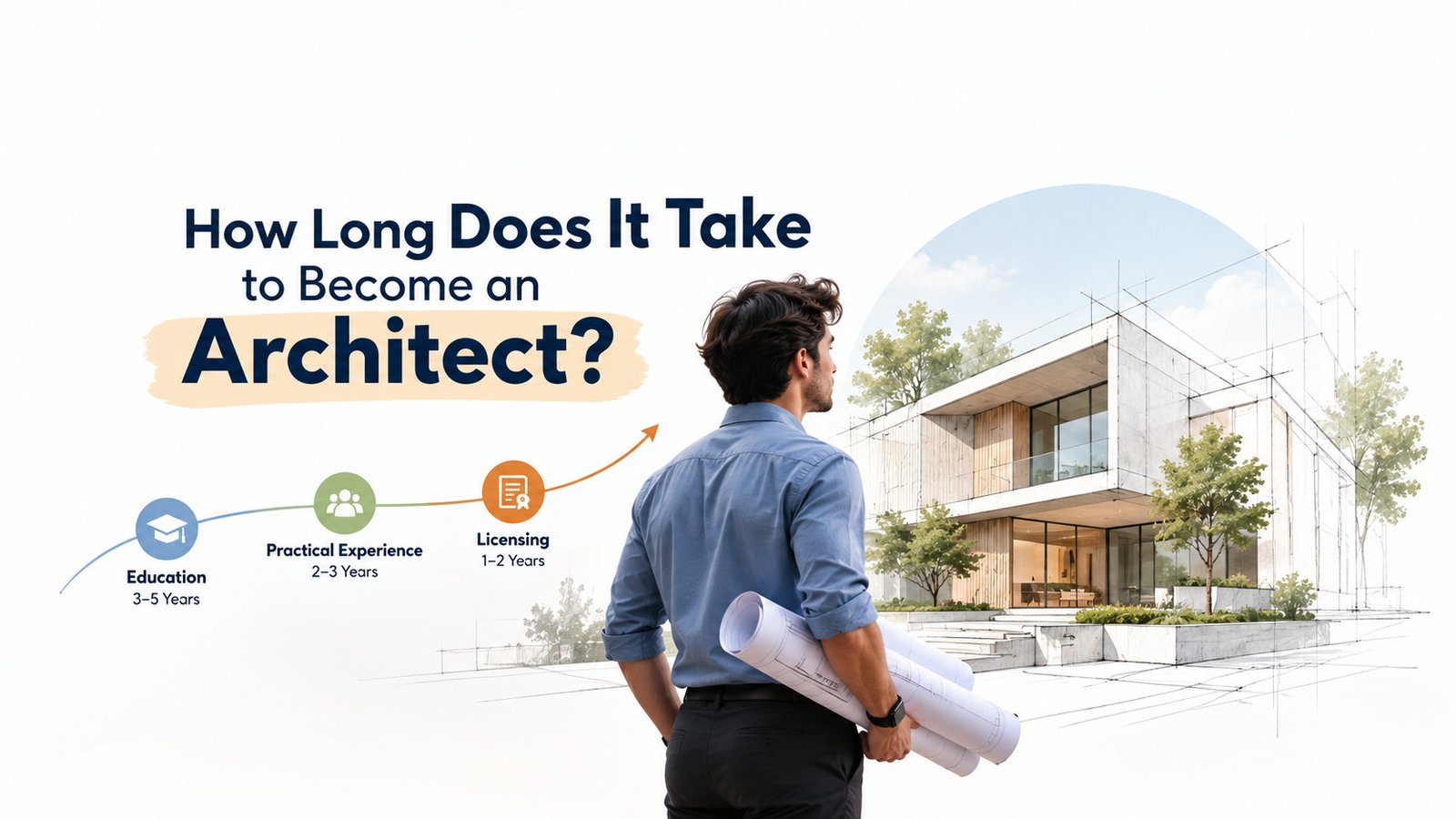
Completing an architecture certification doesn’t automatically qualify someone as a licensed architect in every country, as professional licensure usually requires an accredited degree, supervised experience, and passing relevant licensing exams. However, certifications can significantly enhance your skills and open doors to specialized roles.
Potential career paths include:
| Career | Primary Skills |
|---|---|
| Architectural Designer | Building Design |
| CAD Technician | AutoCAD |
| BIM Modeler | Revit & BIM |
| Interior Designer | Space Planning |
| Urban Planner | City Planning |
| Landscape Designer | Environmental Design |
| Architectural Visualizer | 3D Rendering |
| Construction Coordinator | Project Documentation |
Professionals with expertise in BIM, sustainable design, and visualization continue to see strong demand as construction projects become more technology-driven.
Common Mistakes to Avoid
Many learners make avoidable mistakes that slow their progress.
Avoid these pitfalls:
- Choosing a course based only on price
- Ignoring software training
- Skipping practical projects
- Not building a portfolio
- Failing to complete assignments
- Learning too many tools simultaneously
- Neglecting design fundamentals
Consistency is often more valuable than completing multiple short courses without applying the concepts.
Practical Tips for Success
To get the most from your architecture classes online, adopt a structured learning routine.
Build a Weekly Schedule
Dedicate consistent time each week to lectures, practice, and projects.
Practice Every Day
Architectural skills improve through repetition. Even 30–60 minutes of daily drafting or modeling can make a noticeable difference.
Create a Portfolio Early
Document every meaningful project, including sketches, CAD drawings, renders, and design concepts.
Join Learning Communities
Participate in architecture forums, online design groups, and professional communities to receive feedback and stay motivated.
Stay Current
Architecture evolves constantly. Follow developments in sustainable design, AI-assisted design, BIM, and digital fabrication to keep your knowledge relevant.
Frequently Asked Questions
Are online architecture courses worth it?
Yes. They are an excellent way to develop practical skills, learn industry software, and supplement formal education. However, if your goal is to become a licensed architect, you’ll also need to meet your country’s educational and licensing requirements.
Can beginners learn architecture online?
Absolutely. Many beginner-friendly courses introduce architectural drawing, design principles, and foundational concepts without requiring prior experience.
Which software should I learn first?
Most beginners start with AutoCAD for drafting, followed by SketchUp for 3D modeling and Revit for Building Information Modeling (BIM). The ideal sequence depends on your career goals.
Do architecture certifications help with jobs?
Yes. Certifications demonstrate commitment to professional development and can strengthen your resume, especially when combined with practical projects and a strong portfolio.
How long does an online architecture course take?
Course duration varies widely. Introductory courses may take a few weeks, while comprehensive specialization programs can span several months.
Final Thoughts
Online education has made architecture more accessible than ever. Whether you’re beginning your journey, expanding your design expertise, or mastering advanced BIM workflows, there’s an online architecture course tailored to your goals.
The best architecture courses combine strong theoretical foundations with hands-on projects, modern software training, and industry-recognized certifications. Focus on building practical skills, creating a compelling portfolio, and learning continuously to stay competitive in an evolving profession.
Architecture is a discipline where creativity meets technology—and the learners who embrace both are best positioned for long-term success.
Continue Your Learning Journey
Ready to take the next step? Explore more expert guides, compare leading online learning platforms, discover top-rated certifications, and find the best courses for your career goals on eLearningsHub.com. Whether you’re just starting out or looking to specialize, continuous learning is the foundation of a successful architecture career.